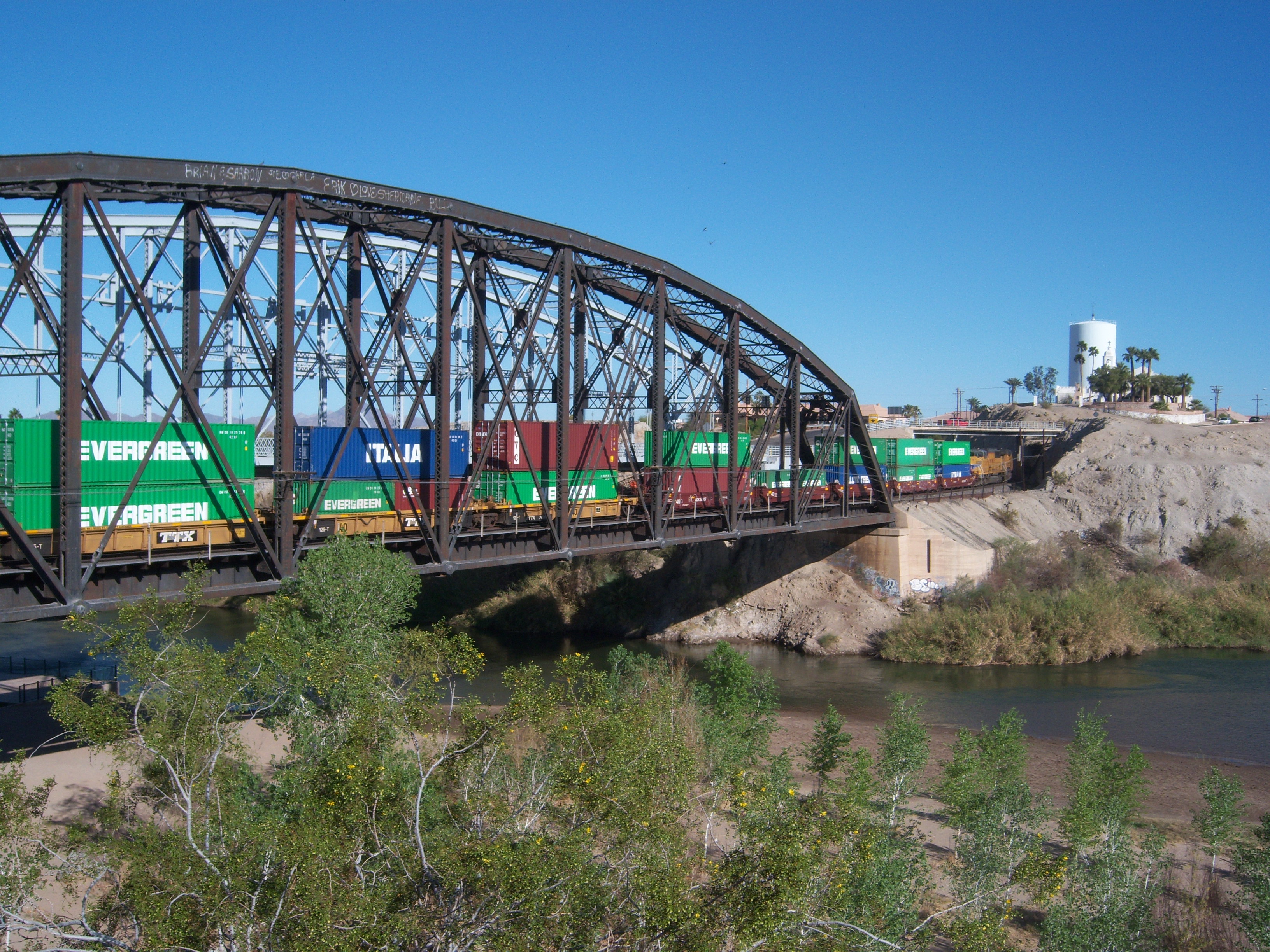
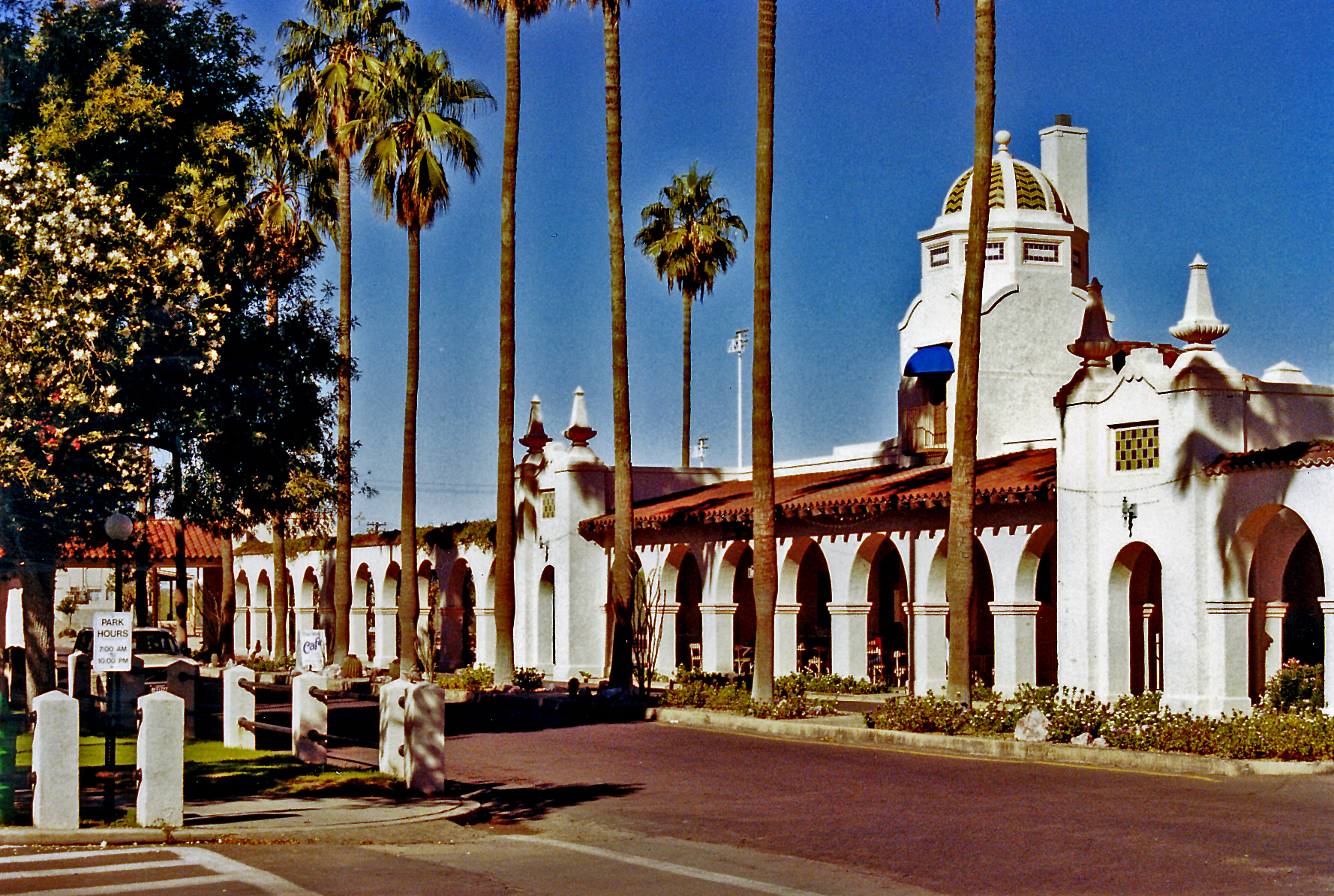
Who This Journey Is For
This journey suits travelers who enjoy discovery through landscape, ecology, history, and the small details that make desert country feel alive.
The Explorer: Backroads, cactus forests, and places that reward curiosity.
The Desert Naturalist: Plants, wildlife, water, and survival in an extreme environment.
The Wildflower Seeker: Seasonal color when rain, temperature, and timing align.
The Cultural Traveler: Living communities, ancestral places, and respectful regional context.
The Photographer: Saguaro silhouettes, volcanic forms, changing light, and long horizons.
The Stargazer: Remote night skies away from urban glow.
The Patient Traveler: Early starts, scenic pauses, changing conditions, and the quieter discoveries between major stops.
What It Feels Like

Some deserts look spare from a distance. Slow down and this one becomes intricate.
The Sonoran Desert is alive with relationships: cactus and pollinator, wash and wildlife, mountain and rain, community and water.
This guide helps you sense that rhythm before we tailor the journey around you: cool morning light, cactus forests, cultural landscapes, scenic drives, remote refuge country, and desert nights.
Journey Style
This is best understood as a warm, interpretive desert journey shaped around season, light, access, and traveler comfort.
PaceRelaxed to moderate
WalkingLight to moderate; optional strenuous hikes
SceneryCactus forests, volcanic peaks, desert mountains
LearningEcology, Indigenous history, conservation, and water
Night SkyExcellent in remote areas when conditions cooperate
LodgingComfortable hotels in well-located desert communities
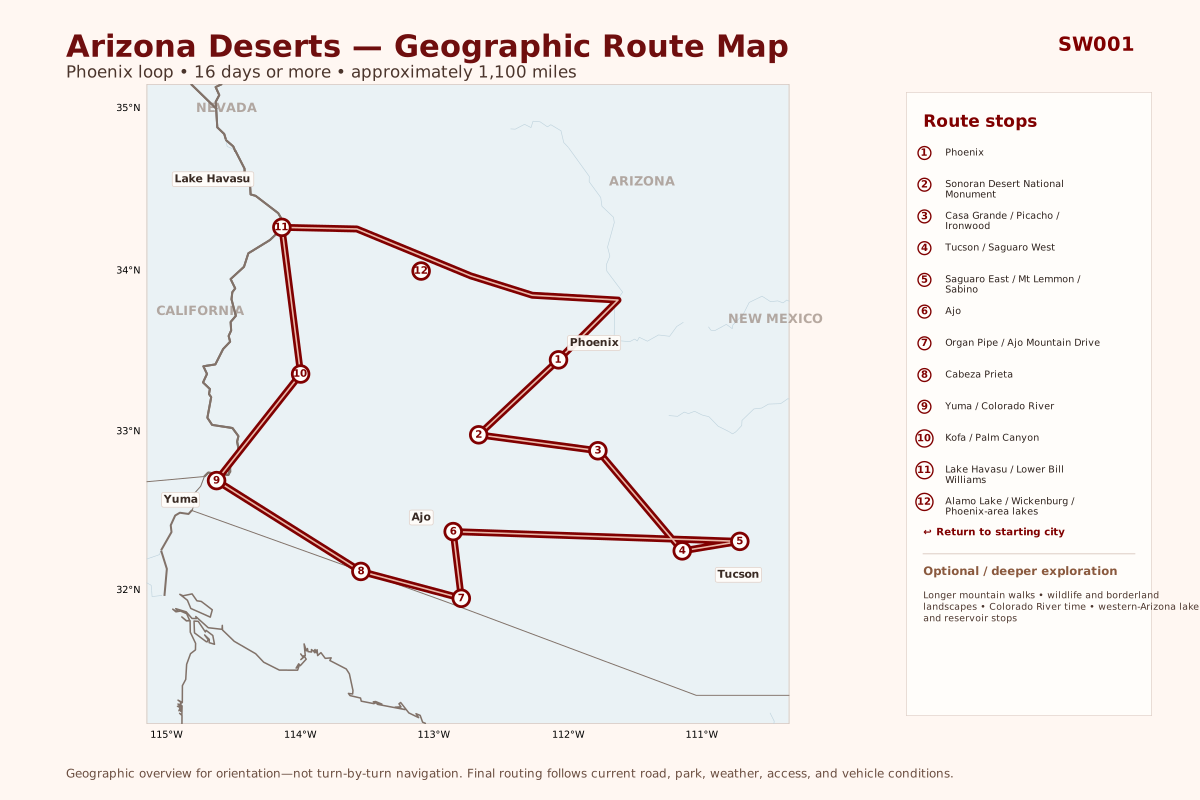
Route16 days or more • approximately 1,100 miles before optional extensions
The expanded journey allows time for western Arizona and Colorado River discoveries while keeping the pace comfortable and flexible.
You may feel at home if...
You enjoy cactus forests, desert ecology, warm light, cultural context, scenic backroads, wildlife, and landscapes that reward attention.
This route works best when heat, road conditions, daylight, bloom timing, park access, and walking comfort guide the pace of the journey.
People & Place
This route crosses homelands and living communities shaped by deep relationships with desert water, plants, travel corridors, and place. Respectful travel begins by recognizing continuity—not treating culture as a historical exhibit.
Living Desert CommunitiesAkimel O’odham and Tohono O’odham communities, along with other regional residents, continue to shape the cultural landscape.
Water & StewardshipCanals, washes, reservoirs, refuges, protected lands, and working landscapes reveal how water governs desert life.
Stories & ConnectionsThe route gains meaning where ecology, Indigenous history, migration, mining, farming, conservation, and modern desert communities meet.


 Sonoran Desert National MonumentBasin-and-range scenery, saguaro country, remote roads, and desert habitat.
 Casa Grande RuinsAncestral Sonoran Desert community, architecture, farming, and water history.
 Saguaro National Park WestDense cactus forest, Tucson Mountain scenery, scenic roads, and petroglyph context.
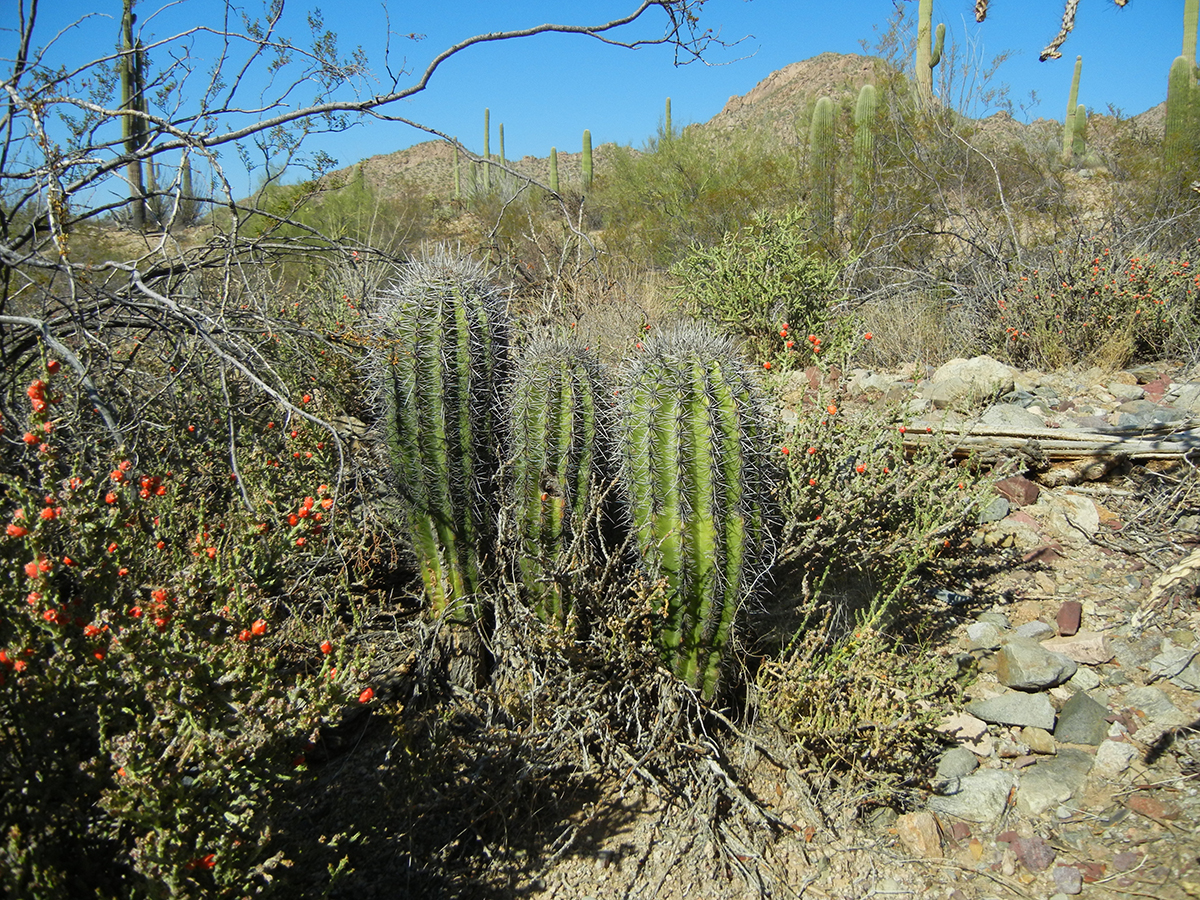 Saguaro National Park EastRincon Mountain elevation change, cactus forest, and a different district character.
 Arizona-Sonora Desert MuseumA combined zoo, botanical garden, natural-history museum, aquarium, and art experience.
 Organ Pipe Cactus National MonumentOrgan pipe cactus, wilderness, borderland ecology, scenic drives, and desert mountains.
 Ajo Mountain DriveA scenic loop through washes, cactus stands, and the Ajo Range, subject to current conditions.
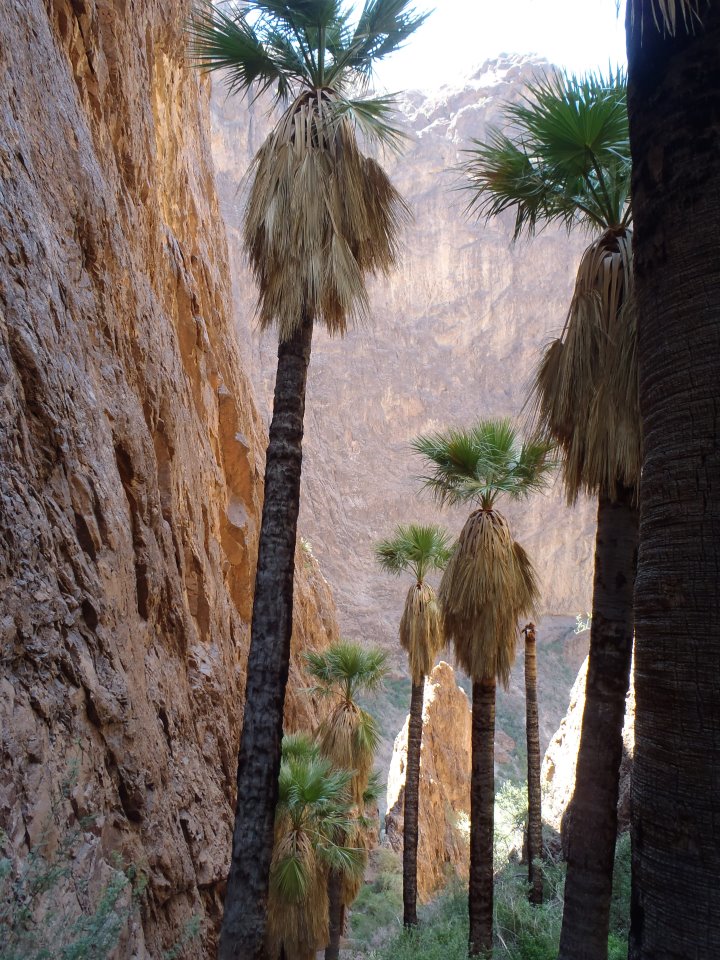 Kofa Refuge & Palm CanyonRugged refuge country, desert bighorn habitat, wildlife observation, and Palm Canyon.