Who This Journey Is For
This journey suits travelers who are curious about desert life rather than simply desert heat—people who want geology, ecology, history, light, and human adaptation to make the open spaces meaningful.
The Desert Explorer: Enjoys wide horizons, lonely roads, and landscapes that reveal detail slowly.
The Geology-Curious Traveler: Volcanic craters, tufa pinnacles, faulted basins, dunes, salt flats, and eroded badlands.
The Photographer: Joshua tree silhouettes, colored rock, dune light, oasis contrast, and immense valley scale.
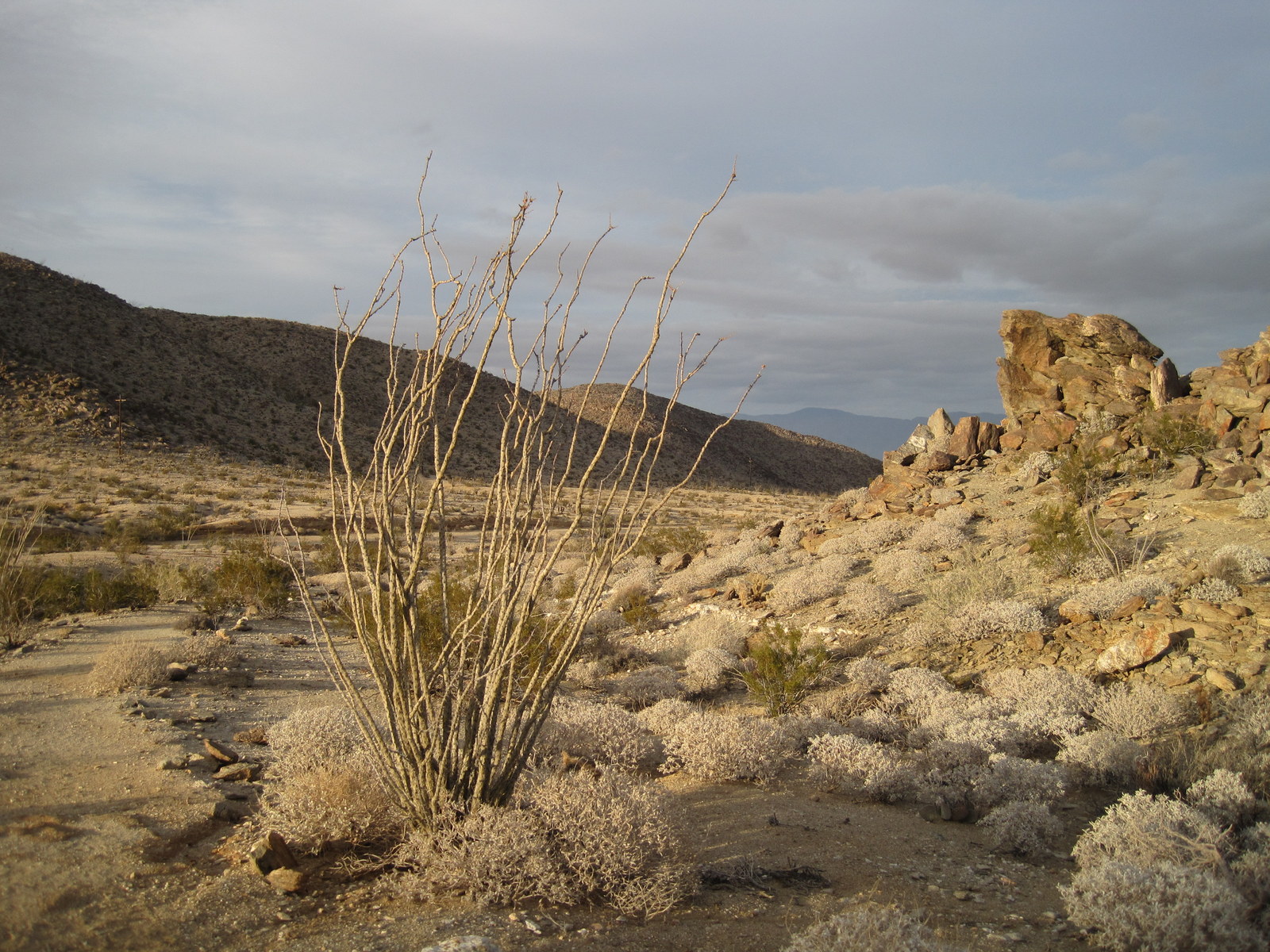
The Naturalist: Desert plants, spring-fed habitats, wildlife, bloom cycles, and adaptation to aridity.
The Scenic-Road Traveler: A route where the transitions between preserves, parks, and desert towns are part of the experience.
The Dark-Sky Traveler: Remote desert nights where moon phase, weather, and location can make stargazing a memorable part of the journey.
The Heat-Aware Hiker: Someone willing to shape walking around season, elevation, sunrise, shade, and current conditions.

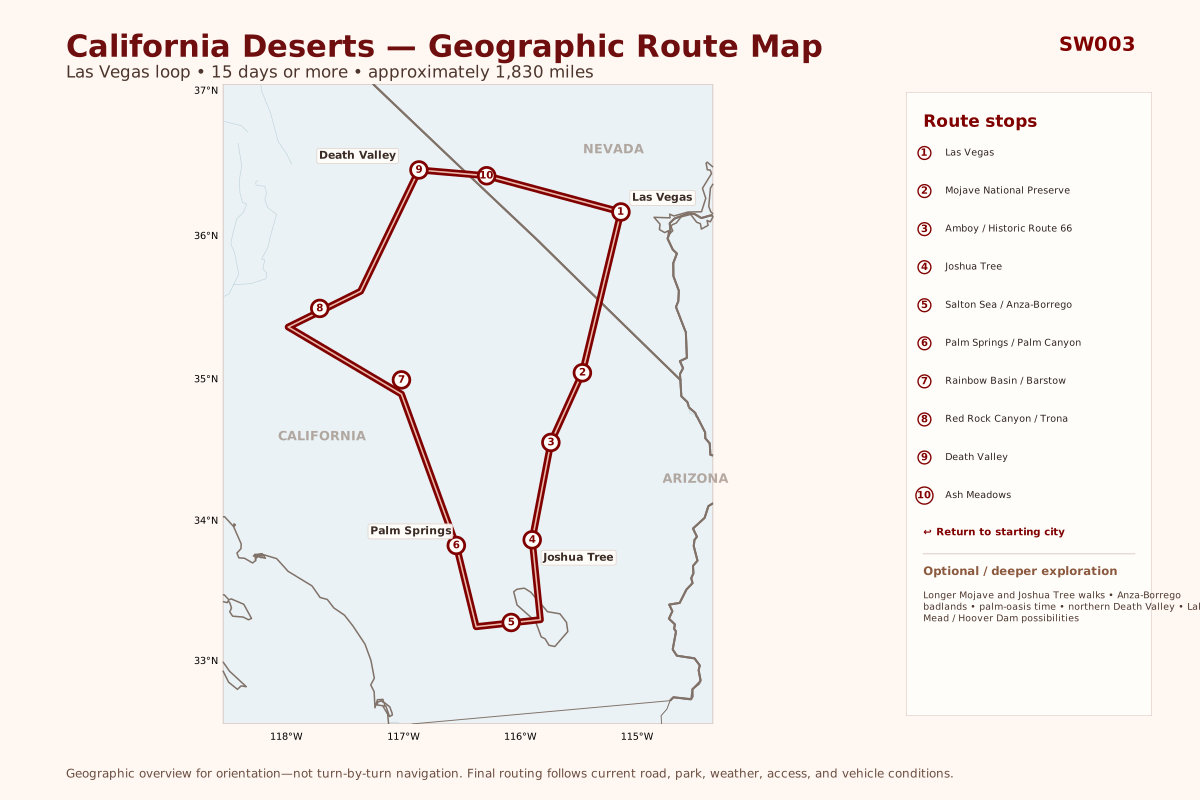
 Mojave National Preserve & Kelso DunesHigh dunes, Joshua tree woodland, volcanic landscapes, and some of the route’s broadest Mojave vistas.
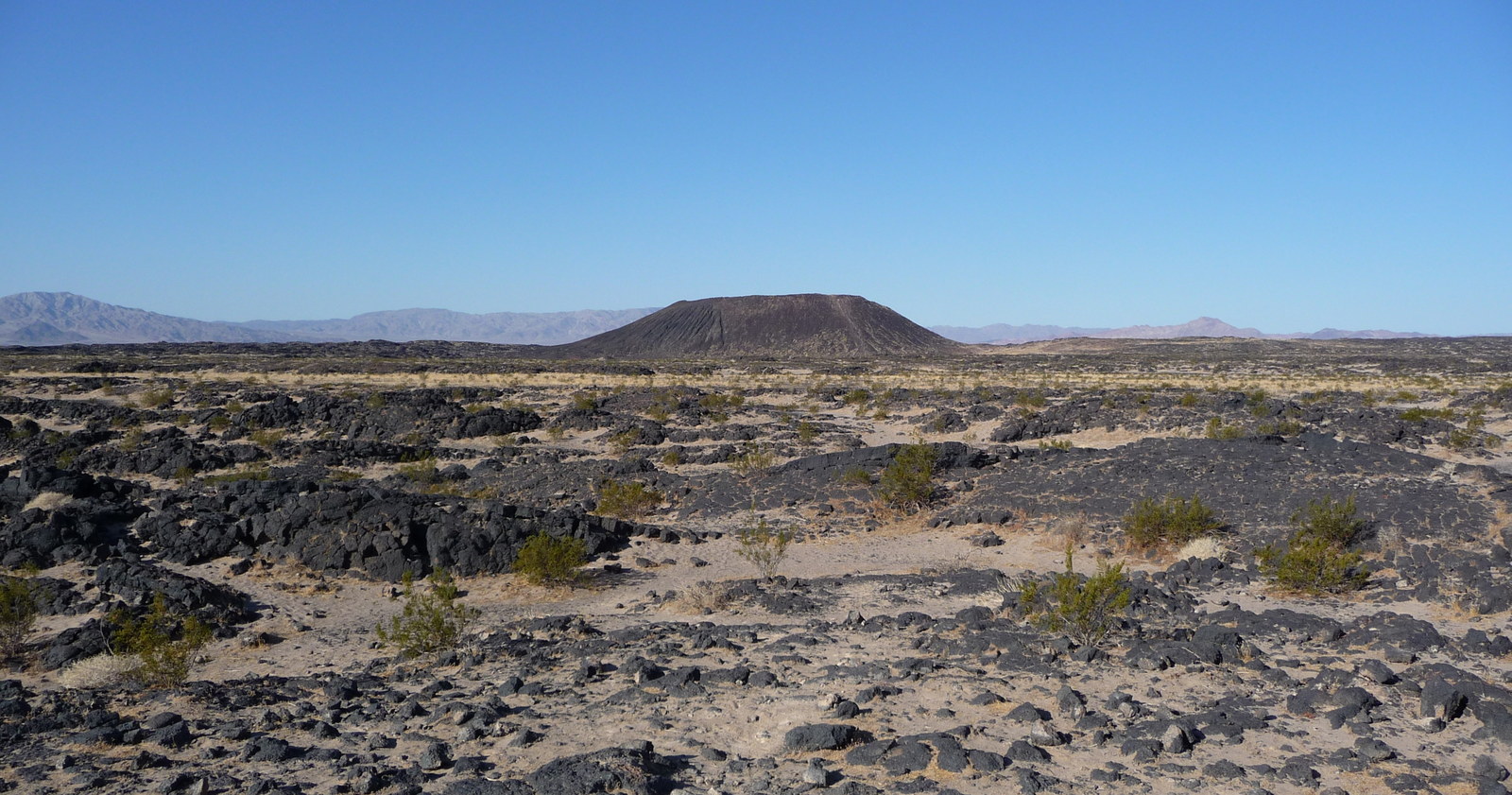 Historic Route 66 & Amboy CraterOld highway atmosphere and a young volcanic cinder cone add human and geologic texture between Mojave and Joshua Tree.
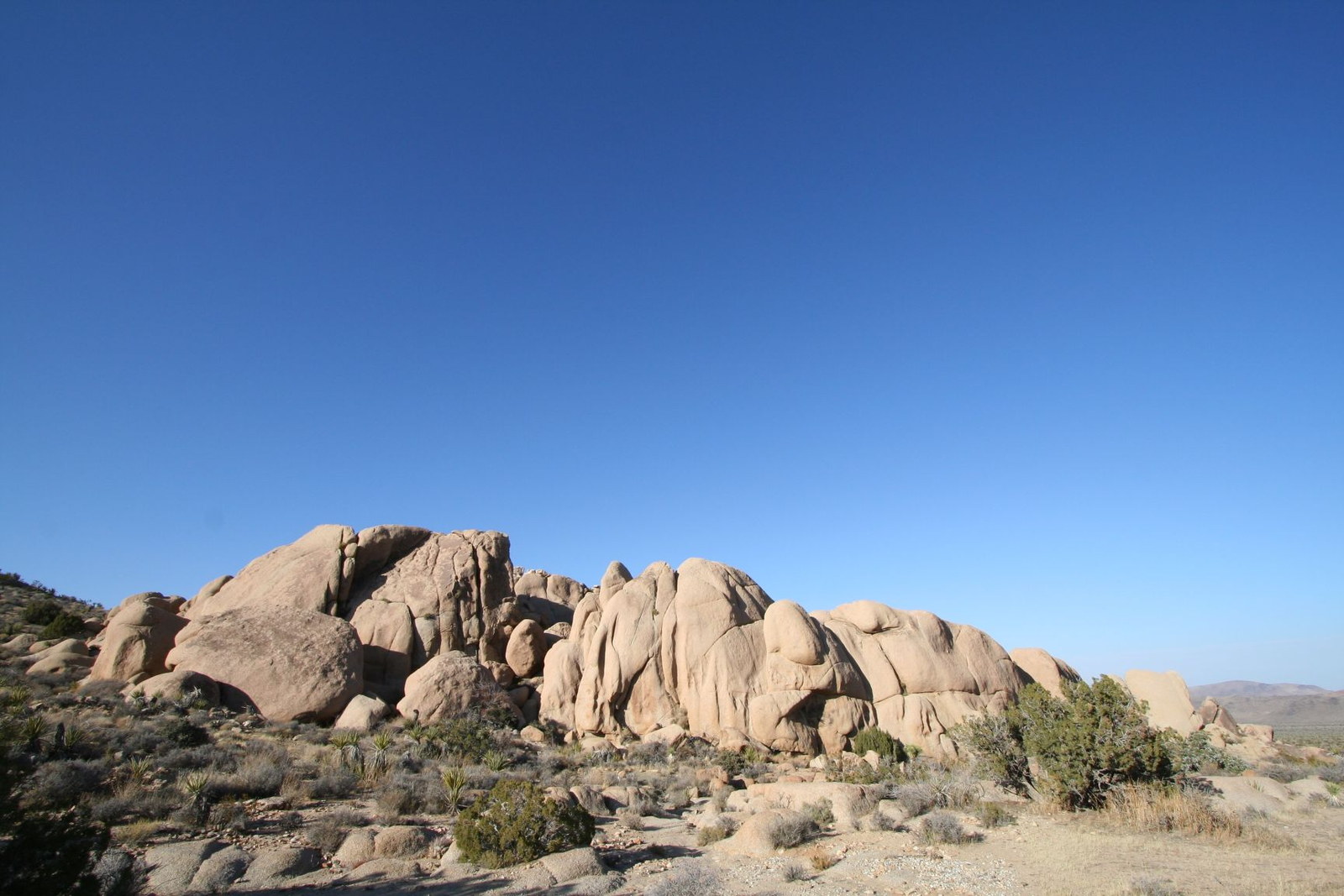 Joshua Tree National ParkJoshua trees, monzogranite boulders, desert ecology, short walks, and memorable sunrise or sunset light.
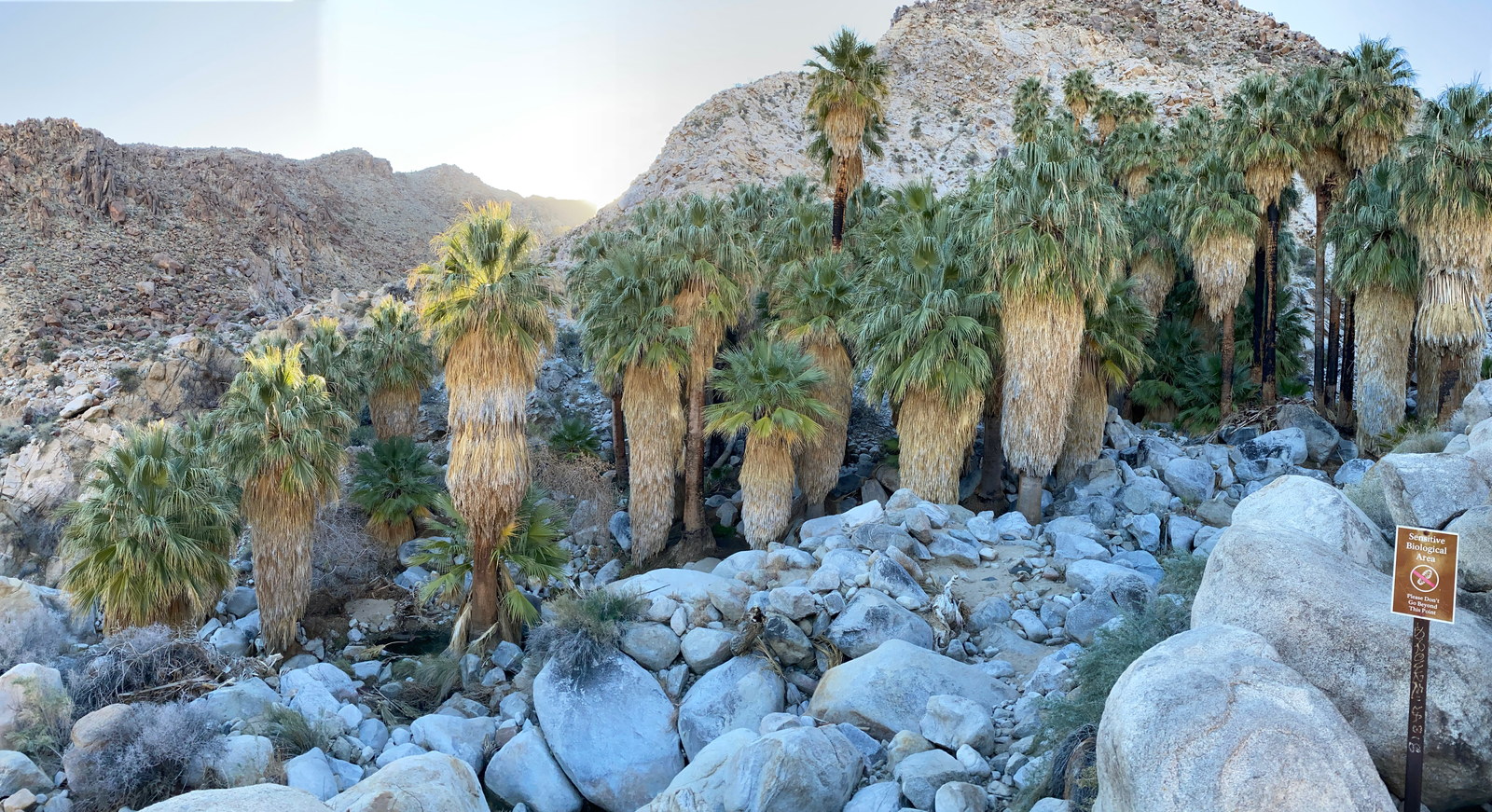
 Salton Sea & Anza-BorregoA saline inland sea leads toward badlands, washes, palm oases, and the broad spaces around Borrego Springs.
 Palm Springs & Palm CanyonA striking oasis-and-mountain contrast, with Palm Springs providing a comfortable pause within the desert circuit.
 Rainbow Basin & Calico CountryColorful folded rock, fossil landscapes, and mining-era history bring added texture to the northbound Mojave crossing.
 Red Rock Canyon & Trona CorridorStriped cliffs and western Mojave scenery lead toward Ridgecrest, Searles Valley, and the gateway to Death Valley.
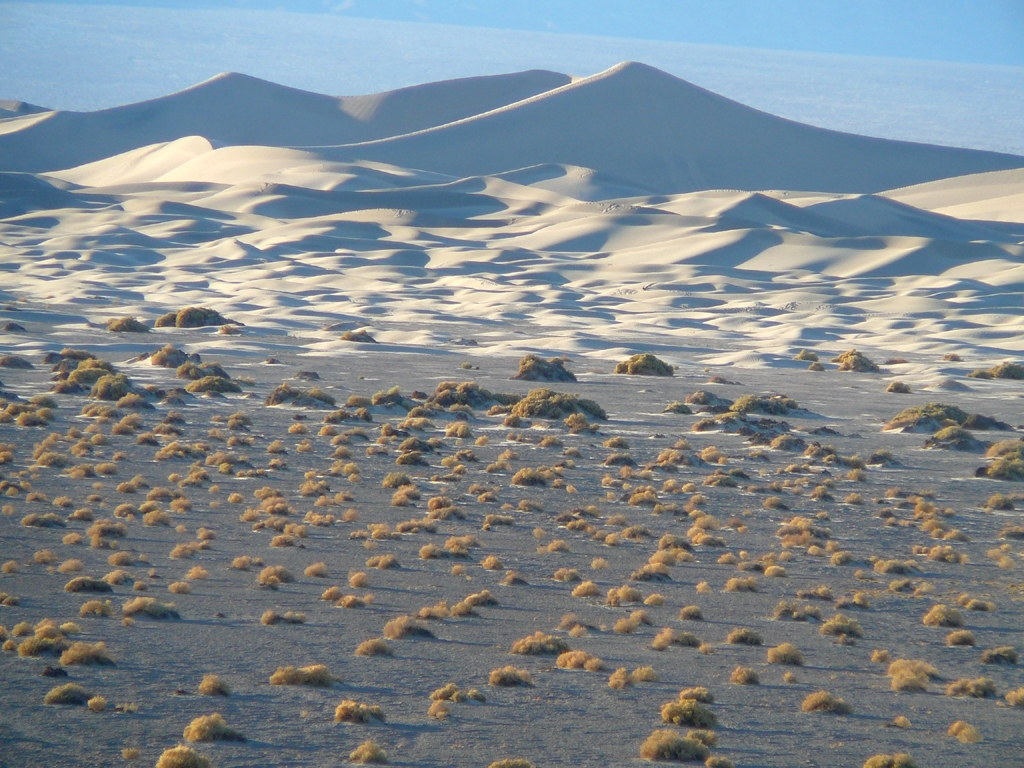
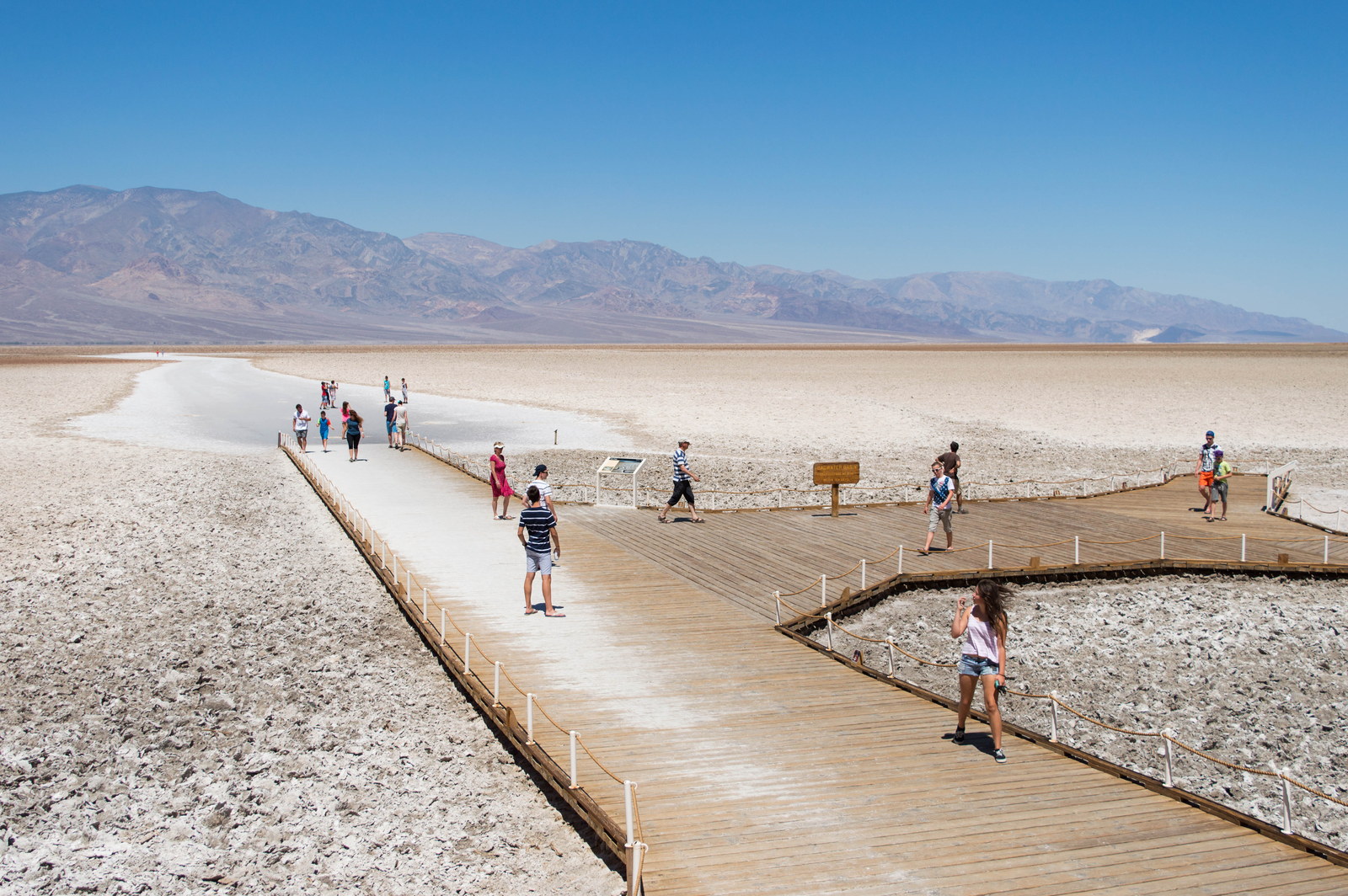 Death Valley National ParkSalt flats, dunes, colored badlands, volcanic craters, alluvial fans, and enormous elevation contrasts reward multiple days.