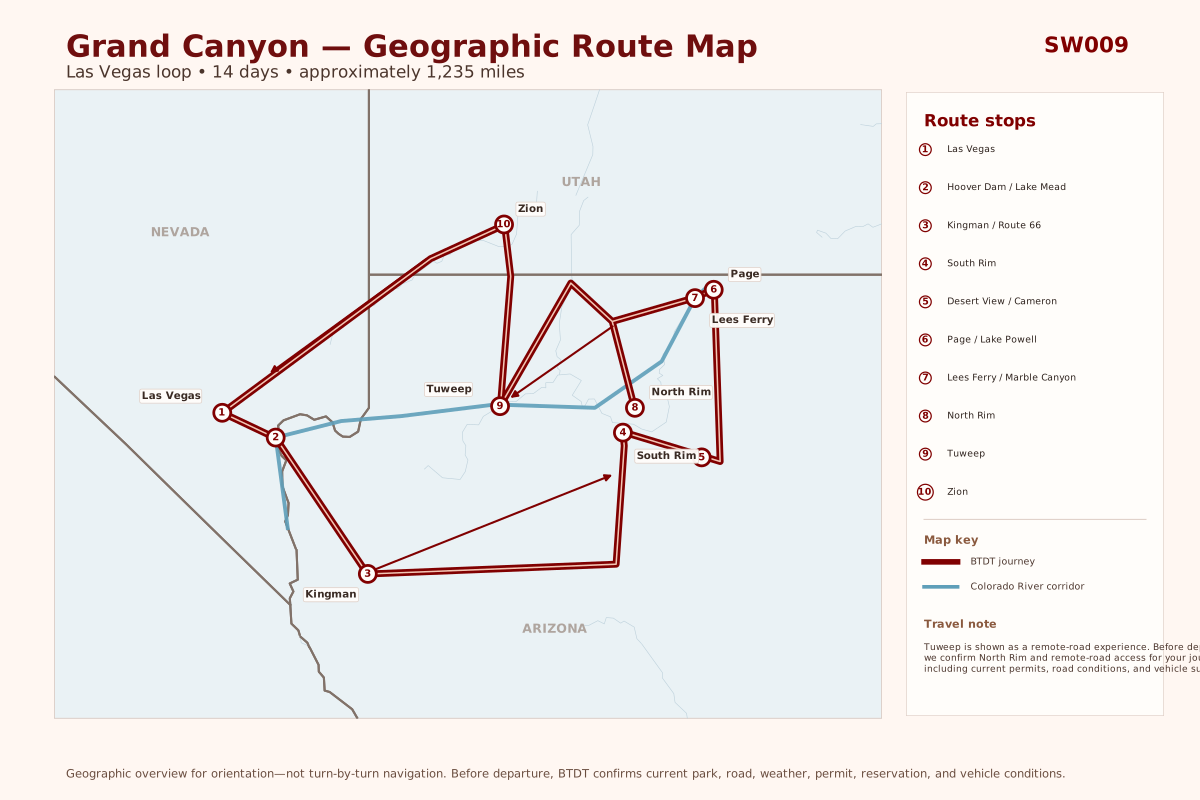
Who This Journey Is For
This journey suits travelers who want the Grand Canyon to unfold as a landscape rather than a single stop—through changing rims, river corridors, desert roads, geology, history, and light.
The Canyon Explorer: Wants enough time to understand how the South Rim, North Rim, river corridor, and western canyon differ from one another.
The Scenic-Road Traveler: Enjoys the journey between overlooks—Lake Mead, Route 66 country, high plateaus, Marble Canyon, and Zion.
The Geology-Minded Traveler: Is fascinated by rock layers, erosion, volcanic history, water, elevation, and the Colorado Plateau.
The Photographer: Values changing light, broad viewpoints, river bends, desert color, forested rims, and sunrise or sunset opportunities.
The Short-Walk Wanderer: Enjoys overlooks and easier rim walks, with longer hikes available by choice.
The Flexible Traveler: Understands that weather, road conditions, permits, park transportation, and seasonal access can shape the best version of the journey.
 Hoover Dam & Lake MeadLake Mead and Hoover Dam introduce the Colorado River story through desert water, engineering, power, recreation, and the dramatic transition out of Las Vegas.
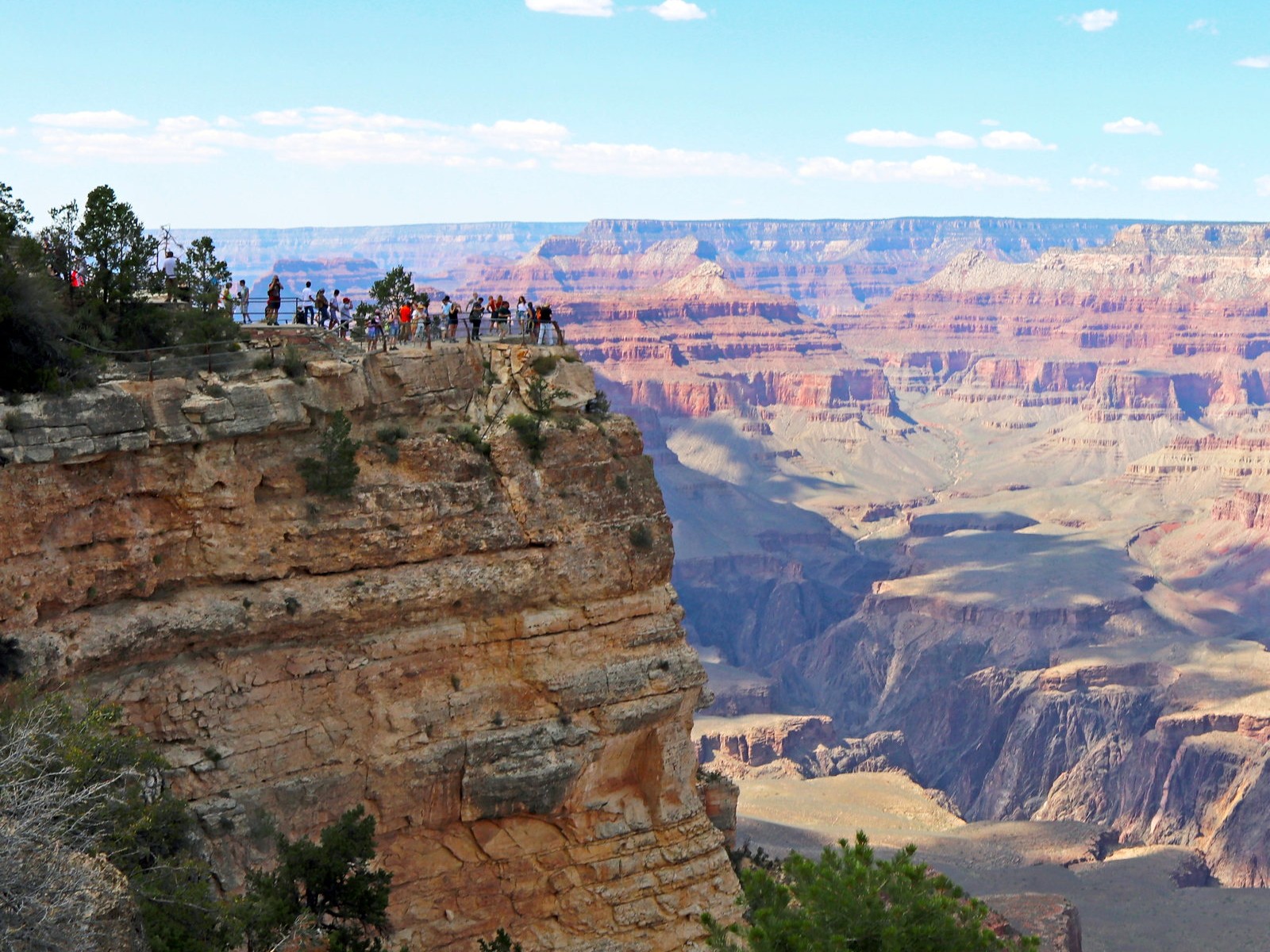
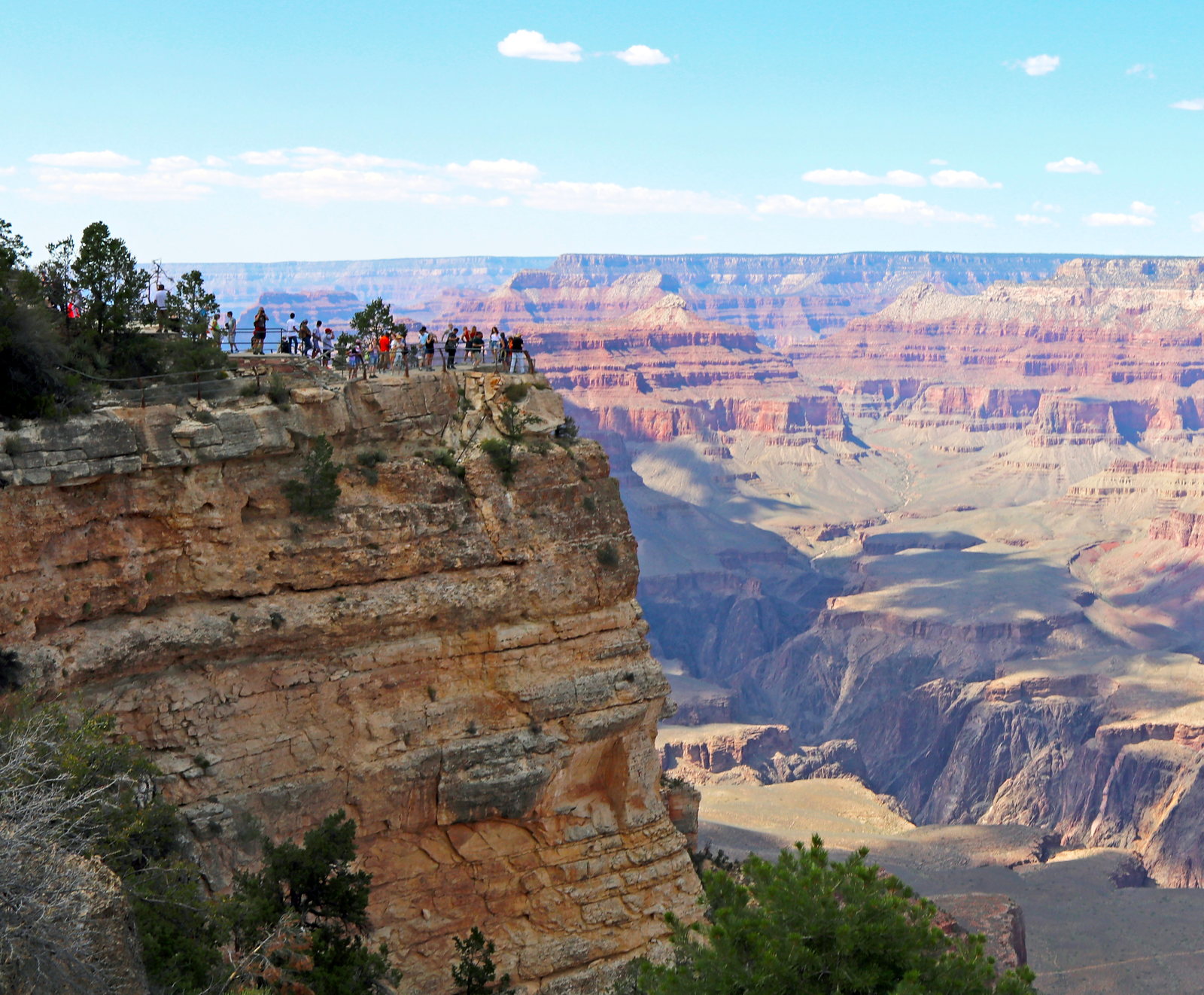 Grand Canyon South RimThe South Rim offers the journey’s broadest concentration of overlooks, rim walks, geology, interpretation, sunrise and sunset possibilities, and changing canyon light.
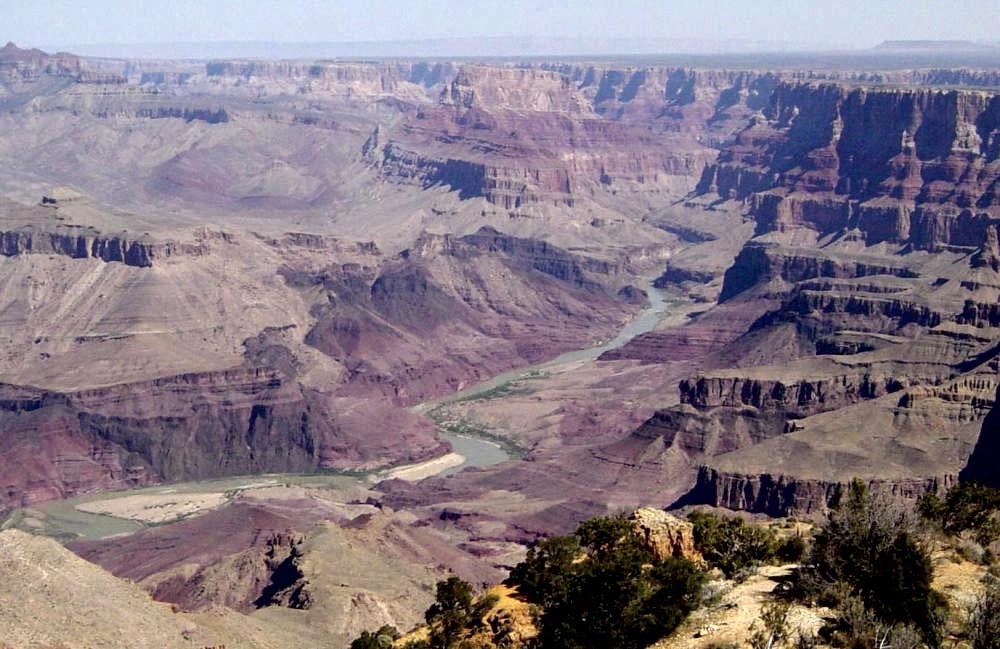 Desert View & East RimDesert View and the east-side corridor connect the South Rim with Cameron and the Little Colorado country while revealing a different angle on the canyon and river.
 Page & Lake PowellPage provides a practical bridge between the rims, with Glen Canyon, Lake Powell, desert viewpoints, and additional water or walking experiences when they fit your interests.
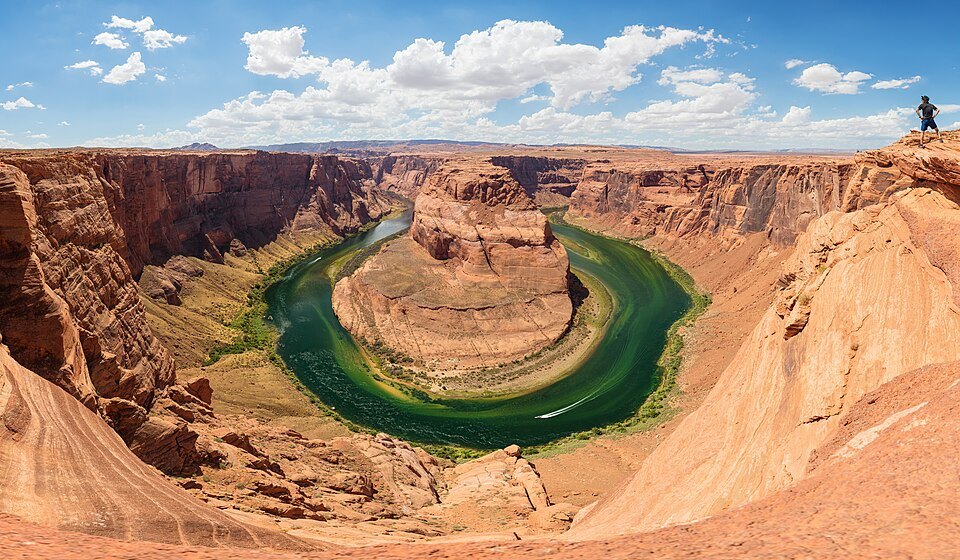 Horseshoe BendA short walk leads to one of the route’s clearest views of the Colorado River making a dramatic turn through sandstone country.
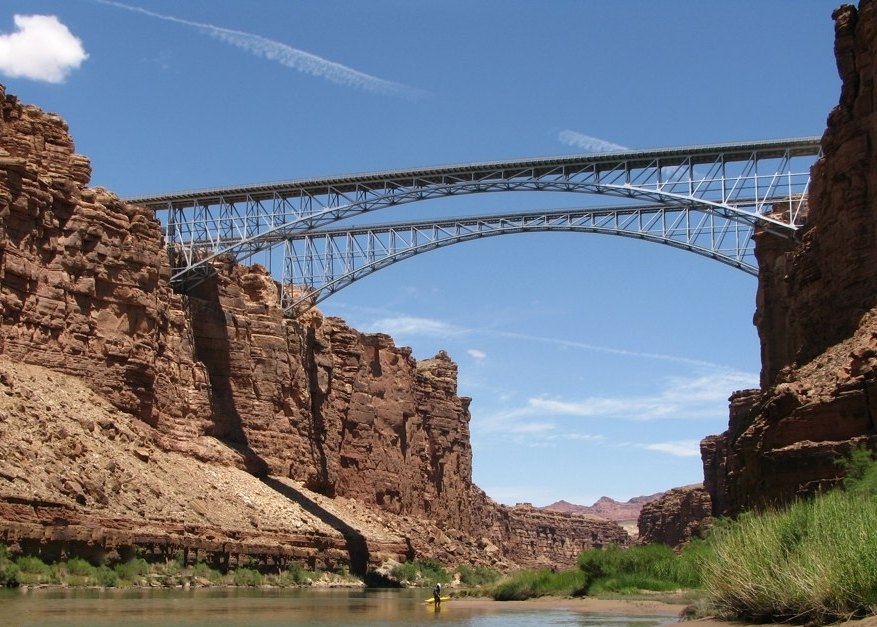 Marble Canyon & Lees FerryNavajo Bridge and Lees Ferry bring the Colorado River close again, adding river history, geology, historic landscapes, and a natural transition toward the North Rim.
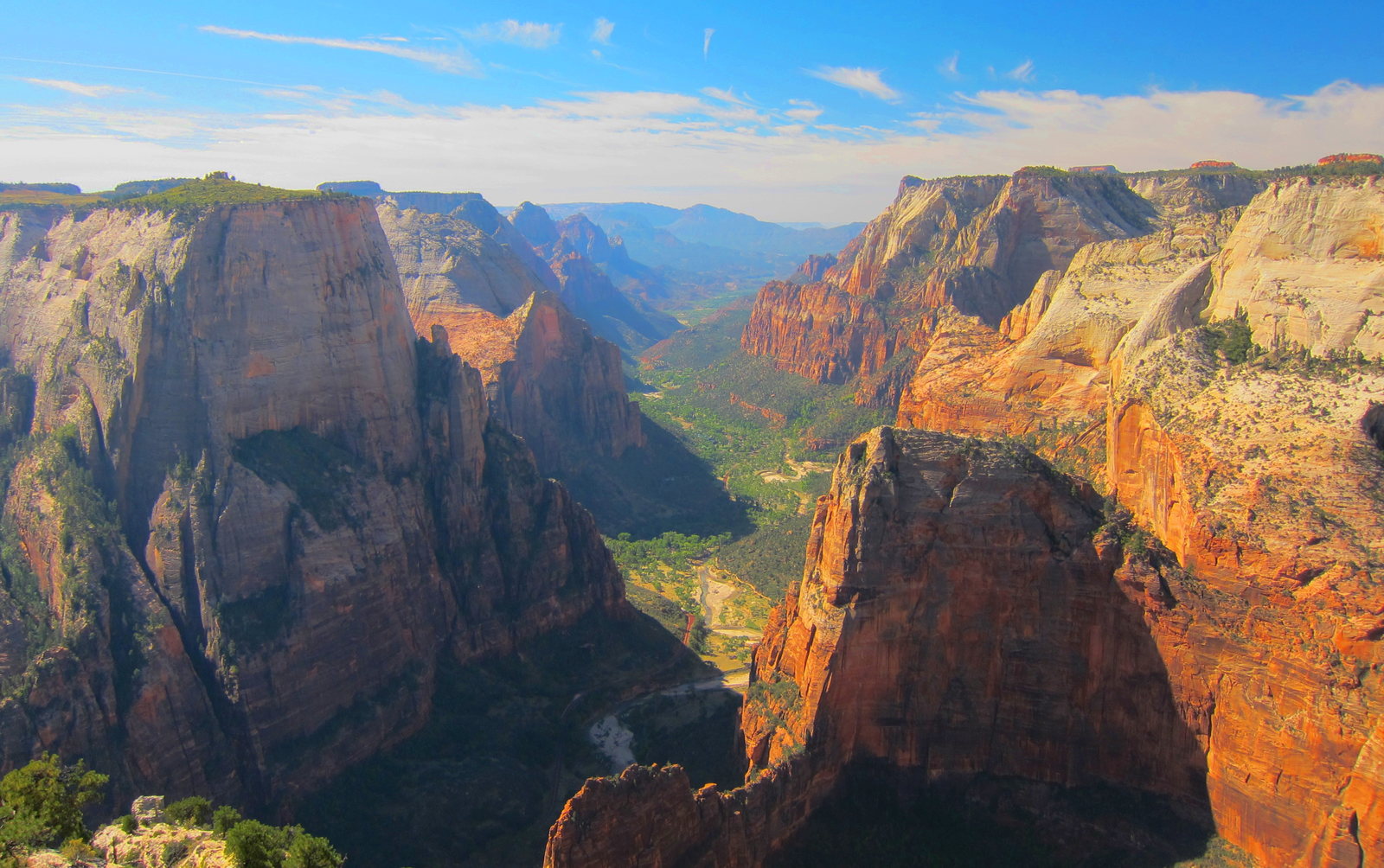 Zion CanyonZion provides a powerful final contrast to Grand Canyon country, with towering walls, canyon walks, and a very different relationship between road, river, and rock.
 Black Canyon & Lower ColoradoThe Black Canyon corridor helps connect Hoover Dam with the living river below it and can support a deeper water-based experience when time and conditions allow.